
A soft food diet focuses on foods that are easy to chew.
It can help after surgery or during swallowing problems.
The key is choosing the right texture, not just bland foods.
At a Glance
| Detail | Information |
|---|---|
| Diet Name | Soft Food Diet |
| Main Purpose | Easier chewing, swallowing, and digestion |
| Common Uses | Recovery, dental issues, digestive problems, dysphagia |
| Typical Foods | Eggs, yogurt, pasta, soft vegetables, tender meat |
| Foods Often Avoided | Nuts, seeds, raw vegetables, tough meats |
| Diet Duration | Depends on the medical reason |
| Medical Guidance | Recommended when clinically appropriate |
What Is a Soft Food Diet?
A soft food diet uses tender, easy-to-chew foods.
Many versions also limit fiber and tough textures.
The exact rules depend on why the diet is needed.
This diet is not the same as a liquid diet.
Soft foods can still include solid meals and snacks.
Examples include eggs, pasta, yogurt, and tender fish.
There is also an important medical distinction.
“Soft diet” can mean different things in practice.
Swallowing problems may require a specific texture level.
Why Might Someone Need a Soft Food Diet?
Doctors may recommend soft foods for several reasons.
The goal usually involves reducing chewing or digestive difficulty.
Common situations include:
- Recovery after mouth or jaw surgery
- Recovery after certain digestive surgeries
- Difficulty chewing solid foods
- Certain digestive conditions
- Difficulty swallowing
- Mouth irritation or sores
- Problems caused by missing or painful teeth
Cleveland Clinic lists surgery and dysphagia among common reasons.
For swallowing problems, texture becomes especially important.
A speech-language therapist may assess swallowing ability.
They can then recommend an appropriate food texture.
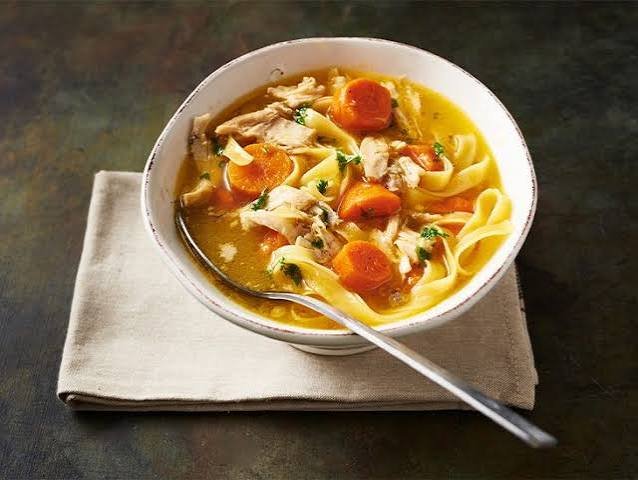
Soft Food Diet Foods You Can Eat
A useful approach is to focus on softness.
Foods should also fit your specific medical instructions.
Protein Foods
Protein helps maintain strength during recovery.
Choose tender options that require little chewing.
Good choices can include:
- Scrambled or soft-cooked eggs
- Tender fish
- Ground meat
- Soft chicken or turkey
- Tofu
- Smooth nut butter, when permitted
Cleveland Clinic includes these foods in its soft-food guidance.
Fruits and Vegetables
Cooking can make many vegetables softer.
Removing skins and seeds can also improve texture.
Possible choices include:
- Bananas
- Avocado
- Soft melon
- Peeled peaches
- Peeled pears
- Mashed potatoes
- Well-cooked vegetables
Raw vegetables may be harder to chew.
Some also contain skins, seeds, or tough fibers.
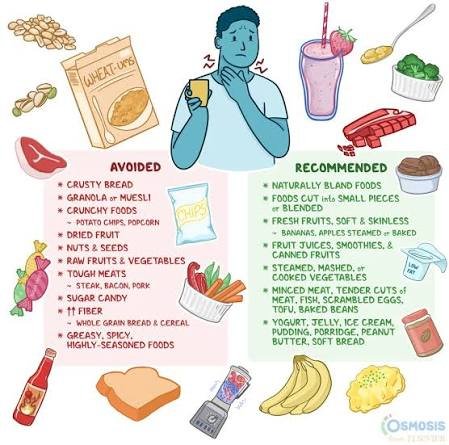
Grains and Dairy
Soft grains can provide convenient energy.
Dairy products can add protein and calories.
Common options include:
- White rice
- Pasta
- Cooked cereals
- Yogurt
- Milk
- Soft cheese
- Pudding
Your individual restrictions may change these choices.
Always follow instructions from your healthcare professional.
Foods to Avoid on a Soft Food Diet
The biggest problem is usually texture.
Hard, crunchy, chewy, or fibrous foods may cause difficulty.
Foods commonly avoided include:
- Nuts and seeds
- Popcorn
- Raw vegetables
- Tough meats
- Meat with gristle
- Whole-grain cereals
- Brown or wild rice
- Dried fruits
- Foods containing fruit seeds
- Crunchy peanut butter
Cleveland Clinic recommends avoiding these foods during a soft diet.
Some foods seem soft but can still cause problems.
For example, seeded foods may leave small pieces behind.
Dry foods can also become difficult to chew and swallow.
Soft Food Diet vs. Dysphagia Diet
These terms should not always be treated as identical.
A general soft diet has broad food-texture guidelines.
A dysphagia diet can require much stricter texture control.
The International Dysphagia Diet Standardisation Initiative uses specific levels.
Level 6 is called “soft and bite-sized.”
It requires food to be soft, tender, and moist.
This distinction has an important safety reason.
Incorrect textures can increase choking or aspiration risks.
NHS England warns against using “soft diet” without precision.
If swallowing is difficult, do not choose textures randomly.
Follow the texture level prescribed by your clinician.
How to Make Soft Foods More Appealing
A soft diet does not need to feel boring.
Cooking methods can change texture and improve variety.
Try these simple approaches:
- Steam vegetables until tender.
- Remove tough skins before cooking.
- Shred or finely chop tender meat.
- Add sauces to prevent dryness.
- Mash potatoes and cooked vegetables.
- Choose smooth yogurt and puddings.
- Cook pasta until comfortably tender.
Eating slowly can also make meals easier.
Cleveland Clinic recommends thorough chewing when appropriate.
A Simple Soft Food Diet Meal Plan
Your meal plan should match your medical needs.
However, these examples show how meals can remain varied.
| Meal | Example |
|---|---|
| Breakfast | Scrambled eggs with soft white toast |
| Morning Snack | Smooth yogurt with banana |
| Lunch | Tender chicken with mashed potatoes |
| Afternoon Snack | Pudding or smooth applesauce |
| Dinner | Soft fish with cooked vegetables |
| Evening Snack | Yogurt or another approved soft food |
People with dysphagia may need different textures.
Therefore, this example is not a clinical prescription.
How Long Should You Follow a Soft Food Diet?
There is no universal duration for this diet.
The timeline depends on the underlying reason.
Some people need soft foods briefly after surgery.
Others may need modified textures for longer periods.
Your healthcare provider should determine when to advance foods.
Longer restrictions can also affect nutrition.
A limited diet may provide fewer vitamins or nutrients.
Cleveland Clinic notes this concern with prolonged soft diets.
How to Keep Nutrition Balanced
Soft does not automatically mean nutritious.
A good plan should still include protein and energy.
Try building meals around these groups:
- Protein: eggs, fish, tofu, tender meat
- Carbohydrates: pasta, rice, potatoes, soft cereals
- Fruits: bananas, avocado, peeled soft fruits
- Vegetables: cooked vegetables without tough skins
- Dairy: yogurt, milk, soft cheese
If restrictions continue, professional dietary advice can help.
This is especially important after surgery or during swallowing difficulties.
An Overlooked Point About “Soft” Foods
Texture matters more than appearance.
A food can look soft but still be unsafe.
For example, small seeds can remain difficult to manage.
Dry foods can crumble into difficult-to-swallow pieces.
Thin liquids may also require special management for dysphagia.
That is why standardized texture levels can matter.
NHS England introduced IDDSI terminology for safer texture modification.
This is one reason generic internet food lists can mislead.
A food suitable for one person may not suit another.
When Should You Talk to a Professional?
Medical advice is important when swallowing causes problems.
Warning signs should not be ignored.
Contact a healthcare professional if you experience:
- Repeated coughing while eating
- Choking during meals
- Food feeling stuck
- Unexplained weight loss
- Frequent chest infections
- Persistent difficulty swallowing
Dysphagia can require professional swallowing assessment.
A speech-language therapist may recommend specific food textures.
Final Takeaway
A soft food diet centers on texture and comfort.
It can make eating easier during certain medical situations.
The best foods depend on your reason for using it.
For general soft diets, choose tender and easy-to-chew foods.
Avoid hard, crunchy, tough, seeded, and fibrous choices.
For swallowing problems, follow professional texture recommendations.
The most important point is simple.
“Soft” does not mean the same thing for everyone.
Your medical condition should determine the safest food texture.
Read more:Julia Waterman: The Private Life Behind a Famous Family