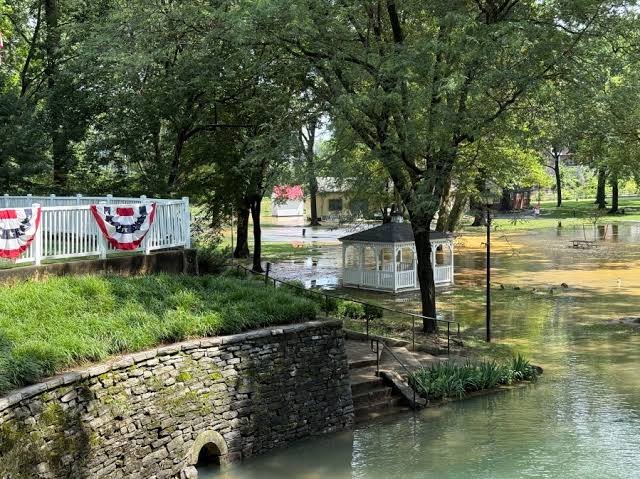

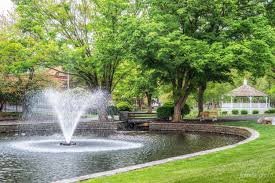
Lititz Springs Park is a well-known community park in Lititz, Pennsylvania, where people come for quiet walks, family time, community gatherings, and special occasions. Its green spaces, pavilions, gazebos, walking areas, and other facilities also make it an attractive place for organized events. However, using a public-facing park for an event is different from simply arriving for an afternoon visit.
That is why understanding Lititz Springs Park events restrictions matters before making plans. The park has regulations covering alcohol, smoking, vehicles, commercial activities, pets, event equipment, parking, and other activities. Some organized uses may also require advance approval rather than simply showing up and setting up an event.
These rules are not only about controlling visitors. They help protect the park’s grass, trees, facilities, paths, wildlife, and peaceful atmosphere. They also make it easier for different visitors and event groups to share the grounds without creating unnecessary safety or maintenance problems.
Quick fact: An activity that seems normal at another outdoor venue may have different requirements at Lititz Springs Park. Organizers should therefore check the current rules before advertising an event or paying vendors.
What Are the Main Lititz Springs Park Events Restrictions?
The main Lititz Springs Park event rules apply to both everyday visitors and people attending organized gatherings. The park’s published regulations prohibit alcohol, smoking, weapons, gambling or games of chance, disruptive conduct, and unauthorized commercial selling or solicitation. Pets can visit but must remain leashed, while bicycles, scooters, skateboards, and rollerblades are restricted from footpaths.
Event organizers need to pay even closer attention because an organized gathering can involve additional responsibilities. Commercial activities need advance approval, and larger events may involve requirements concerning parking, traffic, restrooms, vendors, equipment, insurance, or protection of the grounds. Instead of assuming that a reservation gives permission for every activity, organizers should confirm what their particular event allows.
General Park Restrictions
| Activity | General Rule |
|---|---|
| Alcohol | Not permitted |
| Smoking | Park is smoke-free |
| Weapons | Not permitted |
| Gambling/games of chance | Not permitted |
| Pets | Must be kept on a leash |
| Commercial selling | Requires authorization |
| Bikes and scooters on footpaths | Not permitted |
| Disruptive behavior | Not allowed |
Why These Event Rules Matter
A small family gathering and a large community festival do not put the same pressure on a park. More people can mean additional vehicles, temporary structures, vendors, waste, restroom demand, and foot traffic. For this reason, restrictions can become more important as the size and complexity of an event increase.
The park also has to consider what happens after visitors leave. Heavy foot traffic and event equipment can affect grass and soil, while vehicles or improperly placed stakes may create additional risks. Following the restrictions therefore helps organizers hold enjoyable events while protecting a community space that other people will use afterward.
Interesting fact: Lititz Springs Park is not simply an ordinary municipal recreation ground. Its distinctive ownership and management history helps explain why visitors may encounter park-specific regulations alongside requirements that can apply through Lititz Borough.
For anyone planning a celebration, gathering, show, community activity, or commercial event, the safest approach is simple: check the current park regulations first and get approval when the planned activity requires it. Doing this early can prevent problems with vendors, equipment, parking, or activities after invitations have already been sent.
Lititz Springs Park Event Approval and Permit Requirements
Planning an organized event at Lititz Springs Park may involve more than choosing a date and inviting guests. The type and purpose of the gathering matter. In particular, commercial and for-profit activities require advance approval from the Park Board. Organizers should explain what they plan to do, how the park will be used, and whether vendors, equipment, or other special arrangements will be involved. Current park regulations state that requests for commercial activities should be submitted at least one month in advance, so waiting until the final week can create problems.
Some larger public events may also need permits or approvals from Lititz Borough, depending on what the event involves. Commercial activities can also carry insurance requirements, including liability coverage that protects the park. Organizers should therefore confirm requirements before paying vendors or publicly advertising an event. Getting approval early leaves time to solve questions involving insurance, parking, traffic, equipment, or other event details.
Interesting Fact: A pavilion reservation should not be treated as automatic permission for every possible activity. An organizer may still need separate approval for commercial use or other activities covered by park regulations.
Private Gatherings and Public Events
A family picnic or small private celebration is quite different from an event that attracts large numbers of visitors. Smaller gatherings normally create fewer concerns involving traffic, vendors, temporary facilities, and ground protection. Even so, guests still need to follow general park regulations.
A public festival, market, show, fundraiser, or commercial gathering can create additional responsibilities. Organizers should determine whether their plans include activities that need Park Board approval or borough involvement rather than assuming all outdoor events follow the same rules.
Pavilion, Gazebo, and Event Space Rental Rules
Lititz Springs Park has several spaces that can support gatherings of different sizes. Available facilities include pavilions, gazebos and the Beck Band Shell. Choosing the right location depends on the number of guests and the type of activity being planned. A quiet family gathering, for example, has very different space needs from a performance or community program. Organizers should check availability before making invitations or announcing a firm date.
Reservations also come with responsibilities. Renters need to respect the property, leave the area in acceptable condition, and follow rules concerning vehicles and event setup. Damage caused during a rental may become the renter’s responsibility. Current rental information generally treats reservations as full-day, dawn-to-dusk use, making it important to plan setup and cleanup within the permitted period.
Event Planning and Rental Rules
| Planning Area | What Organizers Should Know |
|---|---|
| Commercial event | Advance approval is required |
| Commercial request timing | Submit at least one month ahead |
| Pavilion or facility | Reserve before the event |
| Vehicle parking | Use designated parking areas |
| Driving on grass | Generally prohibited |
| Ground stakes | Permission is required |
| Property damage | Renter may be responsible |
| Large public event | Additional requirements may apply |
Interesting Fact: Lititz Springs Park offers several distinct gathering spaces rather than one general rental area. That gives organizers a chance to choose a setting suited to their event instead of using a one-size-fits-all venue.
Choosing the Right Event Space
The number of expected guests should be one of the first things an organizer considers. A smaller covered area may work well for a family gathering, while an event involving music or a public program could need a facility designed for a different purpose.
It is also wise to think about weather, accessibility, nearby parking, equipment, and guest movement. Choosing a space only because it looks attractive can create difficulties later if it does not fit the practical needs of the gathering.
Parking, Vehicles, Accessibility, and Event Setup Restrictions
Parking may seem like a small part of event planning, but it becomes important when many guests arrive around the same time. Vehicles should remain in appropriate designated parking areas rather than being driven across the grass. This protects the grounds and reduces unnecessary safety risks. Organizers of larger gatherings should consider how guests will arrive and whether traffic management will become necessary.
Event setup also requires care. Organizers cannot simply place stakes wherever they want because underground electrical wiring is present in parts of the park. Permission is required before stakes are driven into the ground. Tents, signs, decorations, tables, electrical equipment, and other temporary items should therefore be planned with park requirements in mind instead of being installed without checking.
Interesting Fact: The restriction on ground stakes is not simply about keeping the grass attractive. Underground wiring means placing a stake in the wrong location can create a genuine safety concern.
Accessibility and Guest Movement
Good event planning should consider visitors who may have difficulty walking long distances. Organizers can check the location of parking, paths, entrances, restrooms, and the reserved facility before the event. This makes it easier to provide useful instructions to guests.
Large crowds also change how people move through a park. A route that works perfectly for a normal afternoon may become crowded during a popular event. Organizers should avoid blocking pathways and keep essential access points clear.

Vendor, Commercial Activity, Photography, and Special Event Rules
Commercial use receives more attention than an ordinary family visit. Selling products, conducting organized commercial activities, or using the grounds for certain for-profit purposes requires advance approval. This can affect markets, shows, professional activities, and events involving vendors. Organizers should give the Park Board enough information to understand what will happen rather than describing a commercial event simply as a private gathering.
Insurance can also become part of the process. Approved commercial activities may require liability insurance naming Lititz Springs Park, Inc. as an additional insured. Larger special events can bring further considerations involving vendor arrangements, restroom capacity, parking, and traffic. These details are easier to manage when organizers contact the appropriate authorities early rather than trying to solve them immediately before opening day.
Interesting Fact: Commercial photography is not necessarily treated the same way as a visitor casually taking family photographs. When photography becomes a business activity, organizers or photographers should check whether commercial-use rules apply.
Vendors and Selling Products
A vendor should not assume that being invited by an event organizer automatically overrides park regulations. Permission for selling or solicitation needs to be considered as part of the overall event approval.
Event organizers should discuss vendor numbers and planned activities before the event. Doing so helps prevent a situation where booths, sales activity, or equipment appear on the day without the necessary authorization.
Why Large Events May Be Restricted at Lititz Springs Park
Large crowds can affect a green space in ways visitors do not immediately notice. Thousands of footsteps can compact soil, weaken grass, and place pressure on tree-root areas. Heavy equipment and repeated activity can make the problem worse, particularly when the ground is wet. Because of this, park managers may consider the physical impact of an event rather than looking only at whether enough open space appears to be available.
Drainage and erosion are other concerns. Compacted soil absorbs water differently, while damaged grass can leave exposed areas vulnerable during rain. Lititz Springs Park has previously explained environmental concerns associated with very large or multi-day gatherings. An event may therefore face limits or rejection when its expected size, duration, equipment, or crowd activity creates an unreasonable risk to the grounds.
Interesting Fact: Event capacity is not only a question of how many people can physically stand in an area. The long-term effect those visitors may have on soil, grass, drainage, and trees can also influence event decisions.
Protecting Trees, Grass, and Soil
Grass can recover from normal everyday use, but intense foot traffic concentrated in the same place can cause lasting damage. Soil compaction can also make it harder for air and water to reach plant roots.
Trees deserve particular attention because their root systems often extend far beyond the visible trunk. Protecting these areas helps preserve mature trees that contribute shade and character to the park.
How to Plan an Event While Following Lititz Springs Park Restrictions
Good planning starts before invitations go out. First, organizers should decide what type of event they want to hold, estimate attendance, choose a suitable park facility, and check availability. They should then determine whether their activities need special approval. Questions about commercial activity, vendors, insurance, large crowds, tents, equipment, parking, or unusual setups should be resolved early.
Before the event, organizers should also communicate important rules to guests and vendors. A short message about parking, alcohol, smoking, pets, and prohibited activities can prevent confusion on arrival. On the event day, organizers should protect pathways and grounds, keep the reserved area orderly, and make sure cleanup is handled properly. A successful park event should leave little evidence behind once everyone has gone home.
A Simple Planning Order
- Decide what kind of event you want to hold.
- Estimate how many people may attend.
- Choose an appropriate facility.
- Check availability and reservation requirements.
- Identify whether special or commercial approval is needed.
- Confirm vendor, insurance, parking, and equipment requirements.
- Tell guests about important park rules.
- Protect the grounds during setup and the event.
- Clean the area properly afterward.
Interesting Fact: One of the easiest ways to avoid an event problem is to describe the complete activity when requesting approval. Mentioning vendors, tents, professional services, entertainment, equipment, and expected attendance gives park officials a clearer picture of what is actually being planned.
Frequently Asked Questions About Lititz Springs Park Events Restrictions
1. Is alcohol allowed at Lititz Springs Park?
No. Published park regulations prohibit alcoholic beverages. Event organizers should make guests aware of this rule before the gathering so nobody arrives expecting alcohol to be part of the celebration.
2. Can I organize a commercial event at Lititz Springs Park?
Commercial and for-profit activities require advance Park Board approval. Current regulations ask applicants to submit commercial requests at least one month before the proposed activity, and insurance requirements may also apply.
3. Can event guests park on the grass?
Vehicles should use designated parking areas rather than driving or parking on grass. Large gatherings may need additional planning to manage vehicle numbers and traffic without damaging park grounds.
4. Are pets allowed during events?
Pets can generally visit the park but must remain on a leash. Event organizers should also consider whether bringing pets is appropriate for a crowded gathering and follow all current park regulations.
5. Can I put a tent in the ground at Lititz Springs Park?
Do not drive stakes into the ground without permission. Underground electrical wiring creates an important safety concern, so tent and equipment setup should be discussed before installation.
Final Thoughts on Lititz Springs Park Events Restrictions
Understanding Lititz Springs Park events restrictions can make planning much easier. The most important point is that ordinary park use, facility rental, commercial activity, and a large public event do not necessarily follow identical requirements. Alcohol, smoking, weapons, unauthorized selling, vehicles on grass, and unapproved ground stakes are among the issues organizers need to consider.
The rules also serve a wider purpose. Lititz Springs Park is a community green space, and protecting its trees, grass, soil, facilities, and peaceful setting helps keep it enjoyable for future visitors. Checking current requirements before an event, getting necessary approvals early, and leaving the area in good condition are simple steps that can help an event run smoothly.
Read more:Why Technology Cannot Replace Humans RoarTechMental: What AI Still Lacks