
Knowing What Time Does the Stock Market Open and Close is one of the first steps for anyone interested in investing or trading. Whether you are a beginner trader, an investor, or someone simply curious about the financial markets, understanding stock market hours can help you make smarter decisions and avoid mistakes.
The stock market does not run 24/7 like some other markets. Each exchange has specific opening and closing times, along with pre-market and after-hours sessions that some investors can take advantage of. Time zones, holidays, and even early closures can affect when you can trade. In this guide, we’ll explain everything in simple, easy-to-understand language, including U.S. and global market hours, special trading days, and tips to help you plan your trades effectively.
Standard Stock Market Hours in the United States
The United States is home to two of the largest stock exchanges in the world: the New York Stock Exchange (NYSE) and NASDAQ. Both exchanges follow a standard schedule for trading, which helps maintain consistency and liquidity in the market.
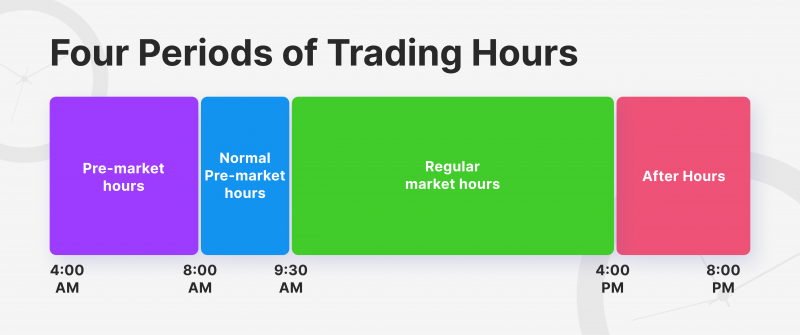
Regular trading hours in the U.S. are from 9:30 AM to 4:00 PM Eastern Time (ET), Monday through Friday. During this period, millions of investors and traders actively buy and sell stocks, which leads to the highest trading volumes of the day. Trading outside of these hours is also possible, but it comes with additional risks and lower liquidity.
Pre-Market and After-Hours Trading
Before the market officially opens, pre-market trading runs from 4:00 AM to 9:30 AM ET. This session allows investors to react to overnight news, earnings reports, or global events that may affect stock prices. It is usually less liquid, meaning fewer trades happen and prices can move more dramatically.
After-hours trading begins once the regular session ends, from 4:00 PM to 8:00 PM ET. During this period, investors continue to respond to news, earnings releases, and other events that occur after the market closes. However, trading during this time carries higher risk because price movements can be unpredictable, and not all brokers allow after-hours trading.
| Trading Session | Time (ET) |
|---|---|
| Pre-Market | 4:00 AM – 9:30 AM |
| Regular Market | 9:30 AM – 4:00 PM |
| After-Hours | 4:00 PM – 8:00 PM |
Understanding these sessions is crucial for investors and traders because different strategies work better at different times. For example, day traders often focus on the first and last hour of regular trading when volumes and price movements are highest, while long-term investors may mostly trade during regular hours.
Stock Market Hours Around the World
Stock markets around the world have different opening and closing times, and this can affect global investors who want to trade international stocks. For example, while the U.S. market operates from 9:30 AM to 4:00 PM ET, the London Stock Exchange opens at 8:00 AM and closes at 4:30 PM GMT, and the Tokyo Stock Exchange runs from 9:00 AM to 3:00 PM JST, with a lunch break from 11:30 AM to 12:30 PM JST.
These differences are important because global news, earnings reports, or economic events can cause price fluctuations in multiple markets. For investors who trade internationally, knowing what time the stock market opens and closes in other countries helps them plan trades and react to news efficiently.
| Exchange | Opening Time | Closing Time | Time Zone |
|---|---|---|---|
| New York Stock Exchange | 9:30 AM | 4:00 PM | ET |
| NASDAQ | 9:30 AM | 4:00 PM | ET |
| London Stock Exchange | 8:00 AM | 4:30 PM | GMT |
| Tokyo Stock Exchange | 9:00 AM | 3:00 PM | JST |
Understanding global stock market hours is especially important for investors following foreign companies, ETFs, or currency markets. For example, a trader in New York might need to monitor Tokyo markets during U.S. nighttime to catch opportunities or respond to sudden price changes.
Holidays and Special Trading Days
Stock markets do not operate every day. In the U.S., exchanges like NYSE and NASDAQ observe holidays such as New Year’s Day, Martin Luther King Jr. Day, Independence Day, Thanksgiving, and Christmas. On these days, the market remains fully closed, meaning no trading occurs.
Some days have early market closures, usually around major holidays like Christmas Eve or the day after Thanksgiving, when the market closes at 1:00 PM ET instead of 4:00 PM ET. These special schedules are designed to accommodate market participants and ensure orderly trading while giving employees time off.
Understanding holidays and special trading days is essential because stock prices can behave differently before and after long closures. Volume tends to drop on early closure days, which can affect liquidity and price stability.
How to Adjust Your Trading According to Stock Market Hours
Knowing What Time Does the Stock Market Open and Close is not just academic—it affects your trading strategy directly. For example, the first hour after the market opens is often the most active, with large price swings and high trading volumes. Traders often watch this period closely for opportunities to buy or sell.
Similarly, the last hour before the market closes is another period of high activity. Investors use this time to close positions or react to news before the market shuts. Planning your trades around these high-volume periods can increase your chances of executing better deals and reducing risk.
Tips for adjusting trading:
- Focus on regular trading hours for consistent liquidity.
- Use pre-market and after-hours trading selectively, understanding the higher volatility and lower volume.
- Watch for global market overlaps—for instance, the first few hours of the U.S. market overlap with the London market, increasing activity in certain stocks.
Tools to Track Stock Market Open and Close Times
Keeping track of stock market hours is easier with the right tools. Most brokerage platforms automatically show pre-market, regular, and after-hours trading times. Financial apps also provide alerts for market open and close, helping you avoid missing important trading windows.
Investors can also use stock market calendars to plan around holidays and early closures, ensuring they don’t attempt trades when the market is closed. Additionally, these tools can track multiple international exchanges, which is crucial for global trading strategies.
| Tool/Platform | Function |
|---|---|
| Brokerage apps | Show market hours, alerts, and pre/post-market trades |
| Financial news platforms | Update on global market openings, closures, and news affecting stocks |
These tools save time, reduce errors, and give traders confidence in making decisions based on real-time market schedules.
Frequently Asked Questions (FAQs)
1. Does the stock market open at the same time every day?
Yes, regular trading hours in the U.S. are consistent from 9:30 AM to 4:00 PM ET, Monday to Friday, except for holidays.
2. Can I trade after the market closes?
Yes, after-hours trading runs from 4:00 PM to 8:00 PM ET, but liquidity is lower, and price movements are often more volatile.
3. How do time zones affect trading hours?
Time zones determine when international investors can trade. For example, Tokyo opens while the U.S. market is closed, which can affect global stock prices.
4. Are pre-market and after-hours trading safe?
They carry higher risks due to lower liquidity. Only experienced traders or those who understand volatility should trade during these sessions.
5. Why does the market close early on some days?
Markets close early before major holidays to give employees time off and ensure orderly trading, usually at 1:00 PM ET.
Conclusion
Knowing What Time Does the Stock Market Open and Close is fundamental for anyone involved in trading or investing. Regular trading hours, pre-market, and after-hours sessions all play a role in shaping stock prices. By understanding these times, observing global market schedules, and planning trades around high-volume periods, investors can improve decision-making and reduce risks.
Remember, successful trading is not just about picking stocks—it’s also about timing your trades smartly, using the right tools, and staying informed about market schedules and holidays.
Read more :SEO for Startups: How to Grow Your Business Fast Online