
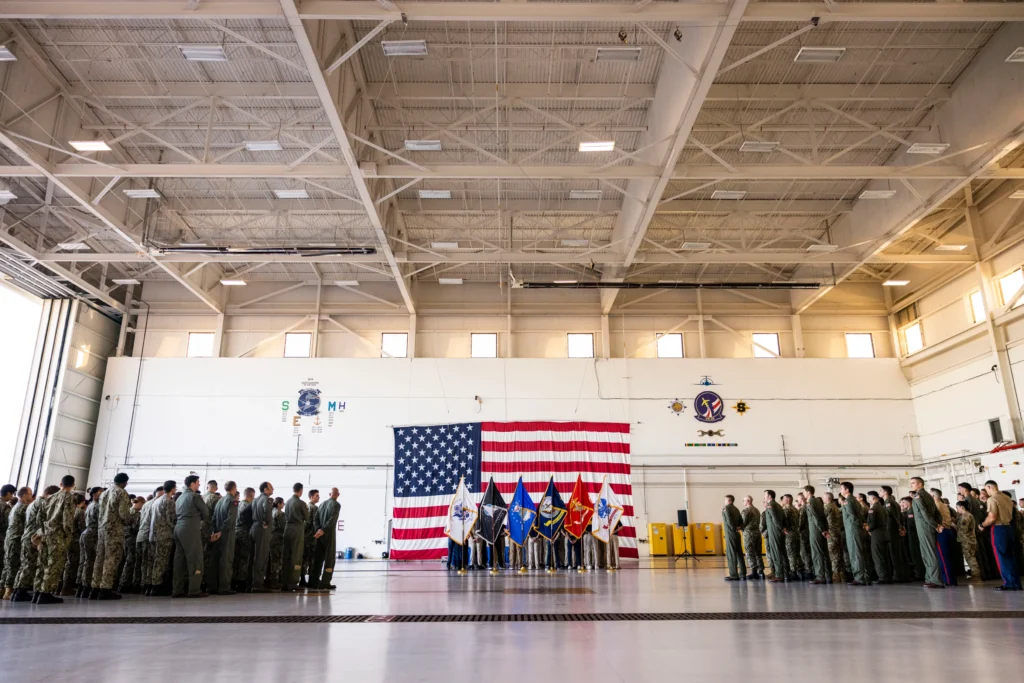
The Pete Hegseth military barracks task force is a government-led initiative that actively addresses one of the most pressing issues in the U.S. military: poor living conditions for enlisted troops. In addition, while the task force is often linked to Pete Hegseth, it operates under the Department of Defense. Its main mission is to ensure barracks are safe, clean, and comfortable, while also addressing mold, broken heating systems, plumbing problems, and overcrowding.
Moreover, the task force focuses on both immediate and long-term solutions. Immediate actions include inspections and urgent repairs, whereas long-term reforms aim to modernize housing structures, update safety standards, and create transparent reporting systems. As a result, soldiers can expect not only repairs but also sustainable solutions that improve morale and quality of life. According to reports, nearly 40% of military barracks in some bases have needed major repairs, highlighting the urgent need for this initiative.
| Feature | Details |
|---|---|
| Lead Advocate | Pete Hegseth (veteran and media commentator) |
| Main Goal | Improve safety, hygiene, and comfort in military barracks |
| Scope | All active duty and National Guard barracks in the U.S. |
| Key Focus Areas | Health hazards, structural repairs, accountability, long-term housing policy |
Who Is Pete Hegseth and Why Is He Involved?
Pete Hegseth is a U.S. Army National Guard veteran who served in Iraq and Afghanistan. He earned multiple commendations, including the Bronze Star. In addition, after leaving active duty, he became a media commentator and veteran advocate, frequently speaking about military issues and the quality of life for enlisted soldiers.
Hegseth’s involvement in the task force reflects his strong commitment to advocating for better housing and soldier welfare. He has publicly criticized the Pentagon for failing to maintain safe living conditions. Furthermore, he has pushed for reforms that hold leadership accountable. His visibility and influence have helped bring military housing reform into the national conversation, encouraging both lawmakers and the Department of Defense to act.
Why U.S. Military Barracks Became a National Issue
Over the years, many military barracks suffered from neglect. Soldiers reported mold, leaking pipes, broken heating systems, pest infestations, and overcrowding. Consequently, morale, health, and readiness were negatively affected, which is critical for operational effectiveness.
The issue gained national attention after congressional reports revealed that a significant percentage of barracks fail to meet basic safety and health standards. Families of service members and advocacy groups began voicing concerns, demanding urgent action. As a result, media coverage, combined with advocacy led by Hegseth, made barracks reform a high-priority policy issue by 2024–2025.
Goals and Objectives of the Military Barracks Task Force
The main goal of the task force is to ensure safe, modern, and livable housing for all soldiers. In addition, the initiative focuses on specific objectives:
- Immediate repairs to moldy, unsafe, or damaged facilities
- Structural modernization with updated plumbing, electrical, and heating systems
- Accountability measures for base commanders and contractors
- Transparency through inspections and reporting systems
- Long-term housing policy reforms to prevent future neglect
Ultimately, the task force aims not only to fix buildings but also to improve soldier morale, readiness, and overall quality of life. These reforms demonstrate the military’s commitment to its personnel.
How the Task Force Works
The task force operates through inspections, reporting, funding allocation, and leadership accountability. Teams regularly inspect barracks to identify issues and report them to higher command levels. Moreover, soldiers can submit complaints anonymously, ensuring their concerns are addressed promptly.
Funding prioritizes critical repairs, while long-term projects modernize housing across bases. In addition, leadership at every level must respond to inspection findings. Progress is tracked through regular reports, providing transparency and measurable results.
| Component | Function |
|---|---|
| Inspections | Identify unsafe or damaged barracks |
| Reporting | Transparent communication of issues |
| Funding | Allocate resources for urgent and long-term repairs |
| Leadership Oversight | Hold commanders accountable for improvements |
| Progress Tracking | Measure improvements and timelines |
Changes Soldiers Can Expect
Soldiers can expect a combination of short-term fixes and long-term upgrades. Immediate improvements include cleaning mold, repairing plumbing, and fixing heating systems, whereas long-term projects aim to modernize entire barracks, improve energy efficiency, and add recreational spaces.
Furthermore, these changes are likely to boost morale, improve health, and increase retention, as soldiers feel their needs are prioritized. The task force also emphasizes creating feedback channels, allowing troops to contribute ideas and report ongoing issues. As a result, soldiers have a stronger voice in shaping the quality of their living conditions.
Future Impact of Barracks Reform
The work of the Pete Hegseth military barracks task force could have long-term effects on U.S. military housing. Notably, it influences policies for future construction, safety standards, and housing budgets.
In the long run, barracks reform may set a new standard for soldier welfare, guiding how the military addresses quality-of-life issues. Politically, it enhances accountability and demonstrates commitment to troops, potentially shaping defense policies and funding decisions for years. Consequently, barracks reform is more than a repair project; it is a strategic investment in soldier readiness and well-being.
FAQs About Pete Hegseth Military Barracks Task Force
1. What is the main goal of the task force?
The task force focuses on improving the safety, comfort, and livability of military barracks. It addresses both short-term repairs and long-term modernization projects to protect soldiers’ well-being.
2. Who leads the task force?
While it is a government initiative, Pete Hegseth advocates for the task force, raising awareness and encouraging urgent reforms in military housing.
3. What problems does the task force address?
The task force targets mold, plumbing issues, heating problems, overcrowding, and structural damage, ensuring soldiers live in safe and healthy conditions.
4. How does the task force operate?
It uses inspections, funding allocation, leadership accountability, and soldier reporting systems to track progress and implement improvements across military bases.
5. Why is this important for soldiers?
Safe and modern barracks improve morale, readiness, and retention, allowing soldiers to focus on their duties without worrying about their living conditions.
Read more : NWBO StockTwits Explained: Insider Insights on Northwest Biotherapeutics