
Fixed income investments are financial products that pay you a set amount of money over time, usually in the form of interest or dividends. Unlike stocks, which can rise and fall dramatically, fixed income products are more predictable, making them ideal for people who want steady income or a safer place to park their money. Investors often use these instruments to balance riskier investments, like equities, in a well-diversified portfolio.
The main idea behind fixed income is simple: you lend your money to a government, company, or bank, and they promise to pay it back with interest. The amount of interest depends on factors like the risk of the investment, market interest rates, and time until maturity. For example, a government bond is generally safer but pays less interest, while a corporate bond may offer higher returns but comes with more risk. Understanding how these work is crucial because it helps you predict your income and protect your savings over time.
| Feature | Description |
|---|---|
| Predictable Income | Provides regular interest payments at a set rate. |
| Principal Protection | Original investment is usually returned at maturity. |
| Risk Level | Lower than stocks but varies by type of investment. |
| Typical Investors | Retirees, conservative investors, income seekers. |
Top Types of Fixed Income Investments
When it comes to the best fixed income investments, there are several types you can consider, each with its own benefits and risks. The first and most common type is government bonds. These are issued by the government and are generally considered very safe. For example, U.S. Treasury bonds or similar bonds in other countries are backed by the government, so the risk of default is extremely low. They usually offer moderate interest, making them ideal for investors who want security and steady income. Municipal bonds are another government option, and in some countries, the interest earned may even be tax-free.
Another major category is corporate bonds. These are issued by companies to raise money for growth, projects, or operations. Corporate bonds usually offer higher interest rates than government bonds, but they also carry more risk because a company can default. Within corporate bonds, there are investment-grade bonds, which are safer, and high-yield bonds, also called junk bonds, which offer the highest returns but are the riskiest. Certificates of Deposit (CDs) and fixed-term deposits are another safe option, offered by banks, providing guaranteed interest for a set period. For investors looking for simplicity, fixed income mutual funds or ETFs pool money from multiple investors to buy bonds or other fixed income products, offering diversification and professional management.
| Investment Type | Risk Level | Typical Return | Ideal For |
|---|---|---|---|
| Government Bonds | Low | 2–5% | Conservative investors |
| Corporate Bonds | Medium | 4–8% | Moderate risk-takers |
| High-Yield Bonds | High | 6–12% | Experienced investors |
| Certificates of Deposit | Very Low | 1–4% | Safe income seekers |
| Fixed Income Mutual Funds | Low-Medium | 3–7% | Diversification fans |
How to Choose the Best Fixed Income Investments for You
Choosing the right fixed income investment depends on your personal goals and situation. Start by asking yourself what you want: is it regular income, capital preservation, or a mix of both? If your priority is safety, government bonds or CDs may be the best fit. If you want higher returns and are willing to accept more risk, corporate or high-yield bonds could be suitable. It’s important to look at interest rates, inflation expectations, and the overall economic climate because these factors directly affect your returns.
Another key factor is time horizon. If you need money in the short term, choose shorter-term bonds or CDs that mature quickly. If you’re planning for long-term growth, longer-term bonds can lock in interest rates, but remember they may fluctuate with market conditions. Additionally, consider diversifying across different types of fixed income investments to reduce risk. A mix of government, corporate, and mutual fund bonds can provide steady income while protecting your capital against market changes.
Benefits of Investing in Fixed Income
One of the biggest reasons people choose fixed income investments is stability. Unlike stocks, which can swing wildly, fixed income products generally provide predictable, steady income through interest payments. This makes them especially useful for retirees, people with fixed budgets, or anyone who values consistency.
Another benefit is diversification. Including fixed income in your portfolio reduces overall risk because these investments usually behave differently than stocks. Many fixed income products also have tax advantages. For example, municipal bonds in some countries offer tax-free interest, which can significantly improve net returns. Fixed income can also serve as a financial anchor, helping you sleep better at night knowing that part of your portfolio is protected from major market swings.
Risks and Drawbacks of Fixed Income Investment
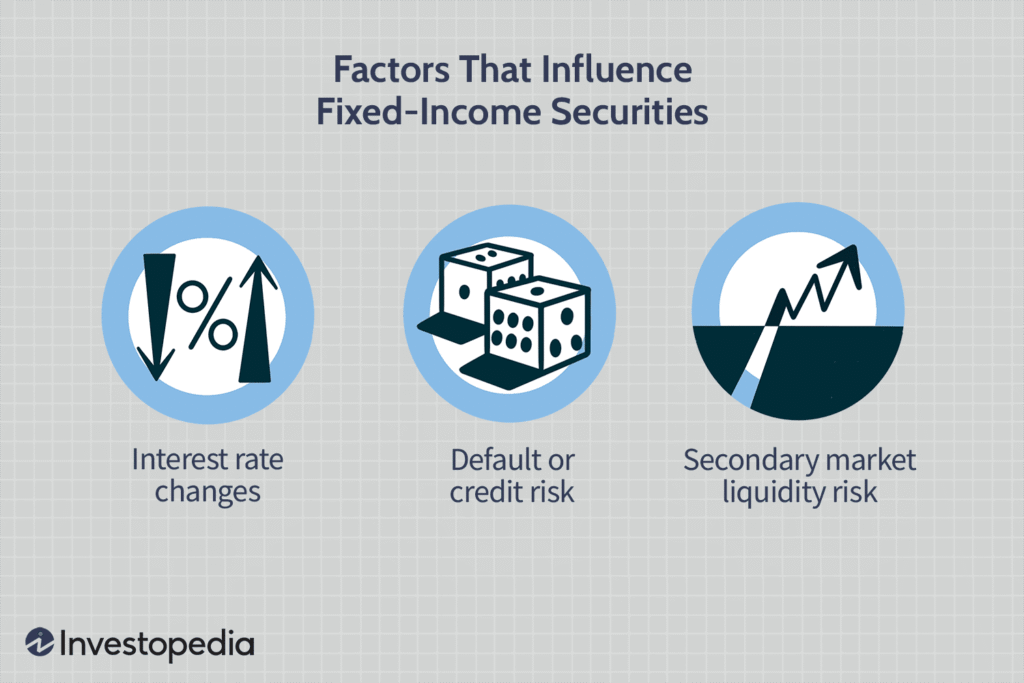
While fixed income is generally safer than stocks, it’s not risk-free. One major concern is inflation risk. If inflation rises faster than your interest payments, the money you earn loses value over time. Another risk is interest rate changes. When market interest rates rise, the value of existing bonds may fall because newer bonds offer higher rates.
Corporate bonds carry credit or default risk, meaning a company might fail to pay back its debt. Even supposedly safe government bonds are not completely immune to risks, especially in countries facing economic uncertainty. Lastly, fixed income investments tend to have limited growth potential. They are designed for stability, not large gains, so if you’re looking to build wealth quickly, they shouldn’t be your only investment.
Tips to Maximize Returns from Fixed Income Investments
One effective strategy is bond laddering, which involves buying bonds with different maturities. This ensures you always have bonds maturing, giving you access to cash and flexibility to reinvest at higher rates if interest rates rise. Another tip is reinvesting interest payments. By reinvesting, you can benefit from compounding, which grows your income over time.
It’s also smart to combine fixed income with stocks or other investments. This creates a balanced portfolio that can handle market swings while still producing income. Finally, regularly reviewing your fixed income portfolio helps you make adjustments based on interest rate changes, market trends, and your evolving financial goals. Staying informed and flexible is key to maximizing returns while keeping risk under control.
Frequently Asked Questions (FAQs)
1. Are fixed income investments safe?
Fixed income investments are generally safer than stocks, especially government bonds and CDs. However, no investment is entirely risk-free. Risk varies depending on the type of investment.
2. Which fixed income investment is best for beginners?
Beginners usually start with government bonds, CDs, or fixed income mutual funds. These offer safety, predictable income, and easy management.
3. How much of my portfolio should be in fixed income?
This depends on your age, risk tolerance, and goals. A common guideline is 20–60%, increasing as you near retirement.
4. Can fixed income investments beat inflation?
Some fixed income investments, like Treasury Inflation-Protected Securities (TIPS), are designed to keep up with inflation. Others may lose purchasing power if inflation rises quickly.
5. How do I start investing in fixed income?
You can start through banks, brokerages, or mutual funds. Decide your budget, risk preference, and investment term, then choose suitable products.
Read more : NWBO StockTwits: Your Complete Guide to Northwest Biotherapeutics Stock Buzz